
Most lists of things to do in Guanacaste, Costa Rica, read like they were written from a resort lobby. They send you to the same spots, at the same hour, as every tour van in the province, and they never mention that the park you drove two hours to see is closed on Mondays.
Living on the south Guanacaste coast teaches you to plan around tides, rain, and ticket windows. By the end of this guide you'll know the eight experiences we think are worth the drive, the honest downside of each, and how to string them into a week without spending it in traffic.
What Are the Best Things to Do in Guanacaste?
The best things to do in Guanacaste are surfing or watching the reef break at Playa Negra, hiking the mud pots at Rincón de la Vieja, swimming at Llanos de Cortés, a river boat through Palo Verde, watching sea turtles nest, hiking to Río Celeste, buying pottery in Guaitil, and a sunset sail from Tamarindo or Flamingo.
Here is each one, with the pros and cons nobody puts in the brochure. Drive times are approximate from Playa Negra and run longer in green season.
1. Surf (or Watch) the Reef Break at Playa Negra
Playa Negra's right-hand reef break is the reason this town is on surf maps at all. A rock bottom gives the wave a more predictable shape than the shifting sandbars up and down the coast, and the dawn session is the best free show in town. New to surfing? Take lessons at Avellanas or Tamarindo first, then come back to watch. More nearby options are in our Gold Coast surf breaks guide.
Pros:
- Quieter lineup than Tamarindo
- Walkable from the Los Pargos village cafés
Cons:
- Shallow reef, not a beginner wave
- Reef booties are a smart buy
2. Hike the Mud Pots at Rincón de la Vieja
Rincón de la Vieja is part of the Área de Conservación Guanacaste, a 147,000-hectare UNESCO World Heritage Site inscribed in 1999. The Las Pailas loop takes you past steaming fumaroles and boiling mud pots, and the longer trail reaches La Cangreja waterfall. Two rules catch visitors off guard: the park closes on Mondays and tickets must be booked online through SINAC. The summit trail also remains closed because of volcanic activity.
Pros:
- The most dramatic landscape in the province
- Pairs well with a private hot springs soak outside the park
Cons:
- Roughly 2 hours each way from Playa Negra
- No summit access
3. Swim Below Llanos de Cortés
This wide curtain waterfall near Bagaces drops into a sandy-bottomed pool you can actually swim in. It sits a few minutes off the Interamericana, so it slots neatly onto the drive home from Rincón de la Vieja or Palo Verde.
Pros:
- Short walk down from the parking area
- One of the few big waterfalls in the area where swimming is allowed
Cons:
- Busy on weekends and holidays
- The water clouds after heavy rain
4. Take a River Boat Through Palo Verde
Palo Verde was the first wetland in Costa Rica listed under the Ramsar Convention, designated in 1991. The Costa Rica Tourism Board's South Guanacaste guide counts 343 bird species in the park, about 37% of the country's total. A two-hour boat ride on the Tempisque River puts you close to crocodiles, iguanas, monkeys, and if you're lucky, the jabiru stork.
Pros:
- Low effort and great for grandparents and kids
- More wildlife per hour than any other outing on this list
Cons:
- Midday sun on the river is brutal, so book the early boat
- Roughly 75 to 90 minutes from the coast
5. Watch Sea Turtles Nest (the Right Way)
You have two real options. At Ostional, mass nesting events called arribadas peak from September through November, when more than 100,000 olive ridleys can come ashore in a single night. Access during an arribada is by guided group only.
Closer to home, Playa Grande in Las Baulas National Marine Park hosts leatherback nesting tours from October to March. Set expectations honestly: Purdue University research recorded just four leatherbacks nesting there in the 2022 season.
Pros:
- A genuine once-in-a-lifetime experience
- Guide fees support local conservation
Cons:
- No sighting is guaranteed
- Late nights, no flash, and a rough road to Ostional in rainy season
6. Hike to Río Celeste
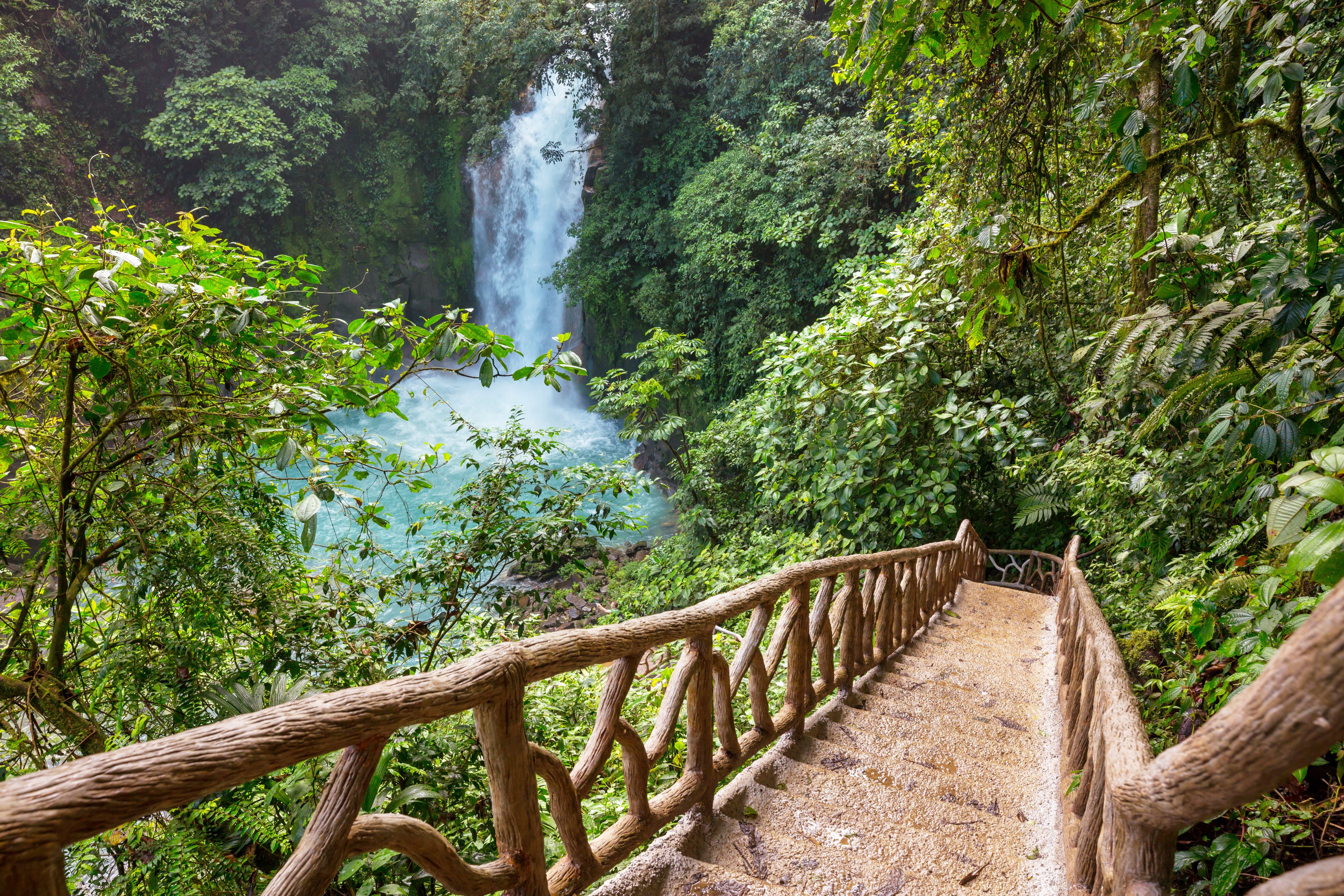
The sky-blue river in Tenorio Volcano National Park straddles the Guanacaste and Alajuela line and is one of the most photographed places in the country. Book tickets on SINAC before you go, and know that swimming is prohibited inside the park.
Pros:
- Rainforest scenery that looks nothing like the dry coast
- Well-marked trail to the waterfall and the color-change point
Cons:
- 3+ hours each way from Playa Negra, so make it an overnight
- The river can look less blue after heavy rain
7. Buy Pottery Where It's Made in Guaitil
Guaitil, east of Santa Cruz, keeps the Chorotega ceramic tradition alive. When the government declared it national cultural heritage, the Culture Minister noted that more than 800 families make a living from this pottery. Buy straight from the workshop, then grab lunch in Santa Cruz. If you're here around July 25, Guanacaste Day brings parades and the Santa Cruz fiestas, plus heavy traffic on Route 21.
Pros:
- Money goes directly to the artisan
- Under an hour from Playa Negra
Cons:
- Little shade at midday
- Fragile pieces, so pack them in your carry-on
8. Take a Sunset Sail out of Tamarindo or Flamingo
When family visits, this is the outing that pleases everyone. Most catamarans include a snorkel stop, a meal, and the sunset from open water.
Pros:
- Zero hiking, maximum payoff
- Works for every age group
Cons:
- The best boats sell out in high season
- Bring motion-sickness tablets if you need them
How to Plan a Week of Things to Do in Guanacaste, Costa Rica
Demand is real. Guanacaste's airport in Liberia moved 793,075 passengers in the first quarter of 2026, its strongest quarter ever. Here's the process we'd follow:
- Pick your season. December through April is dry and busy. May through November is green, cheaper, and best for turtles. Our green season guide covers what changes.
- Book park tickets on the SINAC portal first. Rincón de la Vieja and Río Celeste don't sell tickets at the gate.
- Cluster by geography. Do Rincón de la Vieja and Llanos de Cortés on one northern day. Pair Palo Verde with a lazy afternoon.
- Leave Mondays for the coast. That's Rincón de la Vieja's closed day anyway.
- Rent a 4x4 from May to November. Gravel roads and river crossings toward Ostional get rough.
- Start every inland day before 7 a.m. Heat builds fast, and early slots are quieter.
- Carry colones in small bills. Roadside stands, parking attendants, and Guaitil workshops often prefer cash.
A Week in Practice
Consider a couple flying into Liberia in mid-October. They book SINAC tickets for a Tuesday at Rincón de la Vieja, swim at Llanos de Cortés on the way back, and reserve an Ostional guide for the week the arribada is forecast. Wednesday is Palo Verde at 7 a.m. The rest of the week stays local: surf mornings, Guaitil, and one sunset sail. Because every inland day is clustered, they log roughly 13 hours of driving across the whole week, and no single day tops 5 hours behind the wheel.
Weighing a home base on this coast and want to know what everyday life in Playa Negra looks like? Book a Call.
The Bottom Line
The best things to do in Guanacaste aren't a checklist. They're a rhythm: inland adventures on clear early mornings, the coast for everything else, and turtles when nature decides. Start with the eight above, respect the park rules, and leave room for a slow afternoon in Playa Negra.
Still have questions about living here, not just visiting? Book a Call.
Frequently Asked Questions
What is the best time to visit Guanacaste?
December through April is the dry season, with reliable sun, dusty roads, and peak crowds and prices. May through November is green season, with afternoon rain, lush scenery, lower rates, and the strongest sea turtle activity. September and October are usually the wettest months, so pack flexible plans and a rain jacket if you visit then.
Is Guanacaste safe for visitors?
Guanacaste is generally considered one of the more relaxed regions of Costa Rica, but normal travel precautions apply. The most common problem visitors run into is theft from parked cars at beaches and trailheads. Never leave bags, passports, or electronics visible in a vehicle, use guarded or paid parking where available, and avoid unlit beaches alone at night.
How far is Guanacaste from San José?
Driving from San José to the Guanacaste coast typically takes 4 to 5 hours depending on traffic and your destination. Most visitors skip that drive by flying directly into Daniel Oduber Quirós International Airport in Liberia, which has nonstop flights from many U.S. and Canadian cities and sits about 90 minutes from the south Guanacaste coast.
Do you need a 4x4 to get around Guanacaste?
In dry season, a standard car handles the paved highways and most main beach roads. A 4x4 becomes much more useful from May through November, when gravel roads wash out and some routes, especially toward Ostional and remote beaches, include river crossings. If you plan inland trips or turtle tours in green season, the higher clearance is worth it.
Can you swim at Río Celeste?
No. Swimming is prohibited anywhere inside Tenorio Volcano National Park, including at the waterfall and the blue lagoon. Rangers enforce the rule to protect the river and the trail. Several properties and public access points outside the park boundary allow swimming in the same blue water, so ask locally where entry is currently permitted.